The project explores the politics of the English grain supply from 1315-1815. This period embraces long swings in the balance of population and food supply, from famine susceptibility through a period of self-sufficiency to the beginnings of structural dependence on imports.
The shifting politics of the grain supply during this long period have often been discussed in terms of a conflict between an older, pre-capitalist moral economy (concerned with distributive justice and entitlement) and a new, market economy (concerned with profit and market efficiency); and the triumph of the latter has been seen as a key marker of political and economic modernity. This project breaks new ground by focussing instead on the process of commodification – how something comes to be seen as a morally-neutral commodity, the supply of which is regulated by the market rather than by ethical or moral values. In that context the politics of grain can be seen not as a marker of the transition to modernity but as an example of a much broader transhistorical phenomenon—the contest over what can be treated as a commodity the supply of which is regulated by the market. This debate has contemporary relevance for example in discussions of health and education.
In exploring this process in relation to the grain supply the project will relate legal, economic and regulatory change to ethical questions and shifting popular values in the context of long swings in the balance of population and food supply, and of the development of international markets in grain. It will combine new empirical work on the structure of the trade with research into popular politics and litigation and the shifting cultural associations of bread, mills and grain.
Within this broad context we are pursuing three strands of empirical work
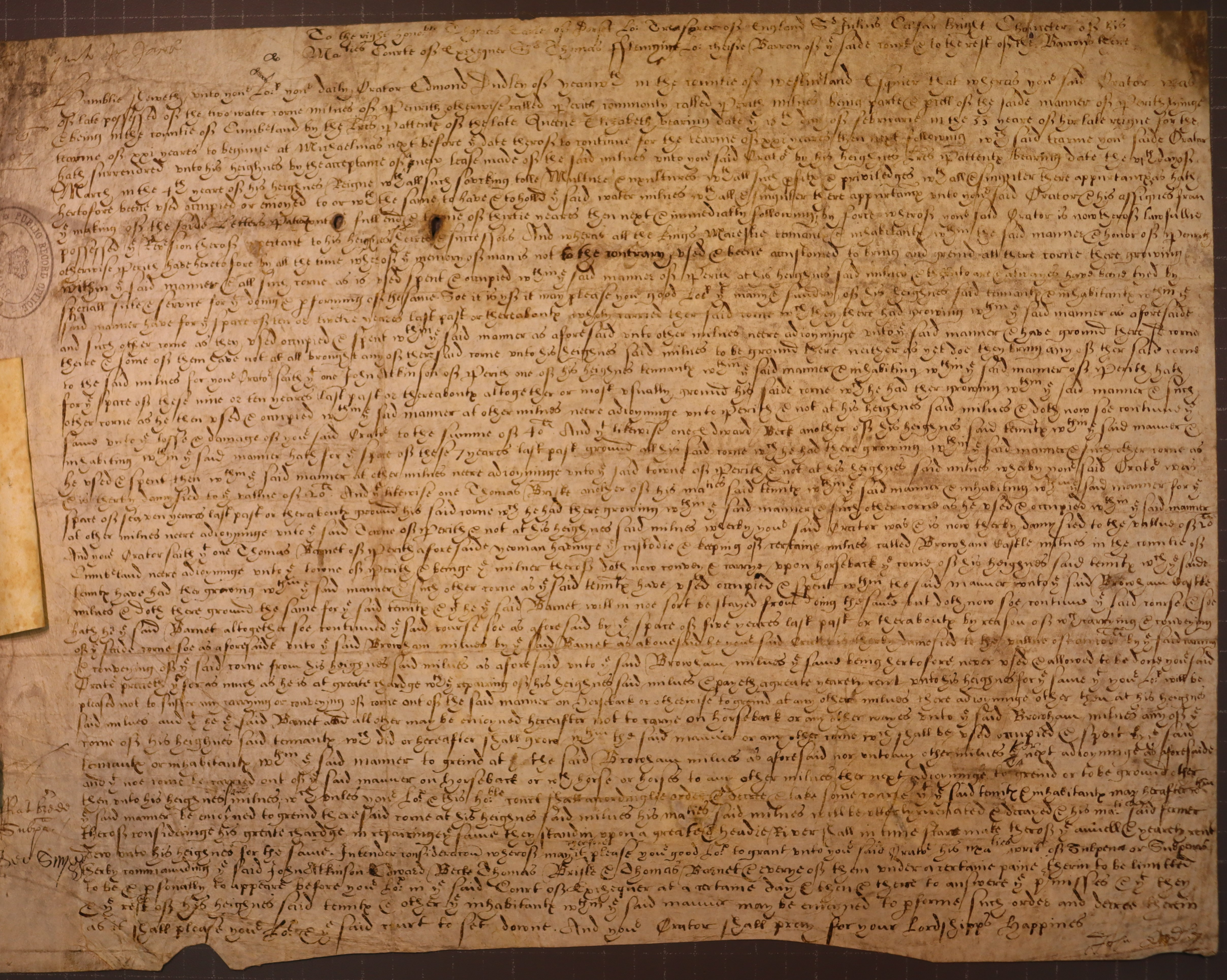
- the history of milling, mill regulation and attitudes to millers
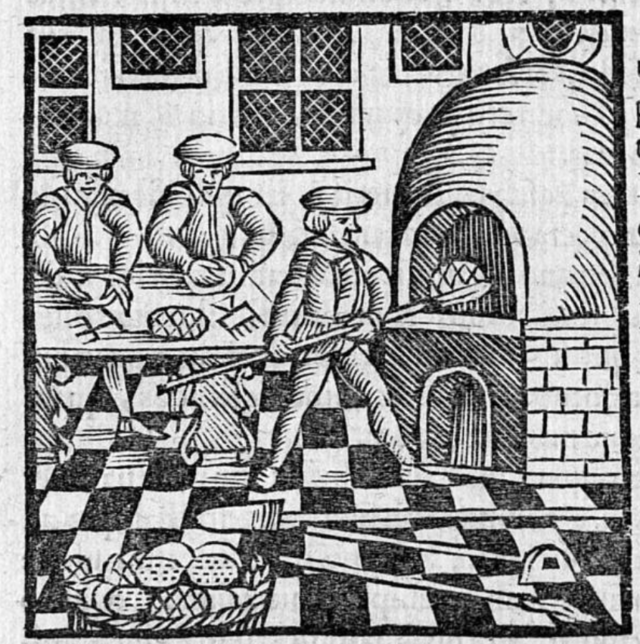
- the cultural history of the meaning attached to bread and grain
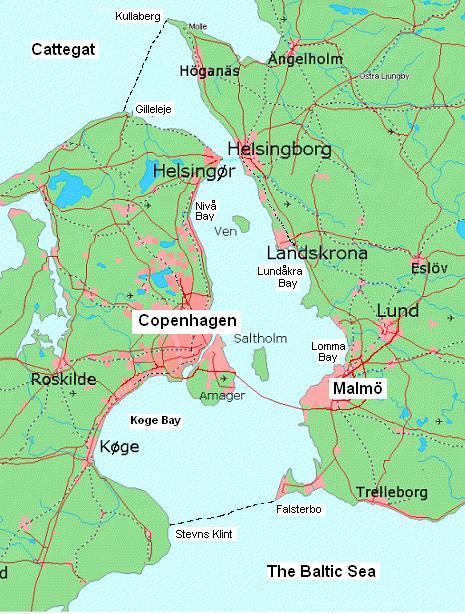
- the history of the Baltic and North Sea grain trade as well as the politics and political economy of bread in two of its important cities: Gdańsk and Hamburg.
The distinctive contribution of the project lies in integrating three strands of empirical work in a broad and multifaceted context. It embraces a long chronological sweep, integrates cultural history more fully into analysis of political economy by focussing on commodification and places this more firmly in a transnational context, as an issue for a global region and not just a matter of domestic economic regulation. Find out more about each of our primary research strands below.
 The Politics of the English Grain Trade, 1314-1815