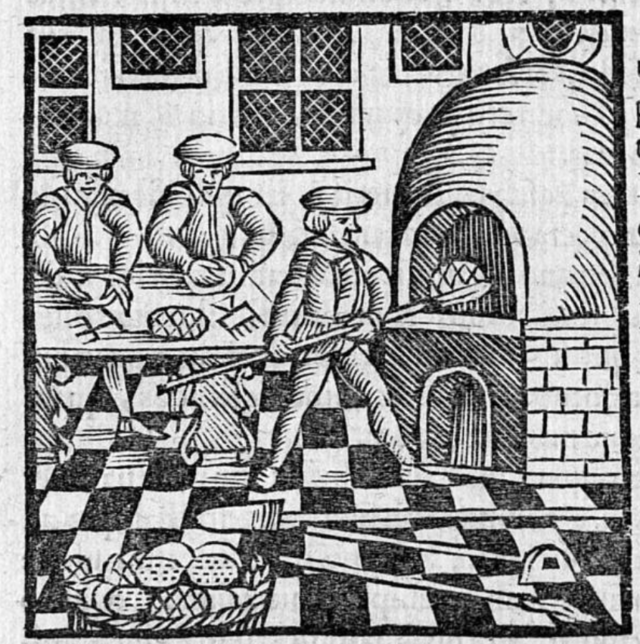
Bread and grain had strong biblical resonances throughout the period as the staff of life, the focus of communion and commensality and an object through which neighbourliness was affirmed by charity, for example. It was also regarded as a marker of human decency, and in periods of hardship shifting consumption to some grains was regarded as in some degree dehumanising. However the increasing commodification of bread in the 18th century seems to have been reflected in the emergence of bread and grain as synonyms for money.
Millers too were ambivalent figures in popular culture. The evidence of attitudes revealed by our study of litigation can be set alongside literary and print representations of millers, who appear, for example, as morally-suspect characters from Chaucer to nineteenth century ballads. The association of commercial with sexual cheating (adultery and adultering the grain) is a recurrent trope in English print culture, reflecting unease about the place of millers in village economy and community. We are exploring these issues in print sources alongside the evidence of litigation and official documents. Together with the work on legal and administrative sources work of this kind will support an analysis of the shifting relationship between law and ethics in relation to this crucial trade.
The footprint of the English trade extended well beyond England, and depended on commodifications elsewhere. Ultimately this was to be a global issue—for example, depending on the transformation of much of North America. Before that English demand had played a role in the development of the Baltic trades, and we are exploring the popular politics and cultural history of that wider trade through a survey of the German-language literature of complaint about the grain market. This literature, which resonates with the English material, includes the Flugschriften (pamphlets) published in large numbers throughout the early modern era and the Cameralistic literature of the eighteenth century discussing the grain trade and the role of the government in food provisioning.
This literature will be read in the context of our analysis of the history of the Baltic and North Sea grain trade and the place of the English trade within it.
 The Politics of the English Grain Trade, 1314-1815